Loose stools are one of the most common tummy troubles in dogs, and one of the most common reasons owners call the vet. The good news is that most mild cases settle on their own within a day or two. Here's what usually causes dog diarrhoea, how to help at home, when to get help, and where probiotics fit in.
What counts as diarrhoea in dogs?
Diarrhoea is when your dog's poo is loose, runny or watery, or when they need to go much more often than usual. Soft poo now and then isn't always a concern. But if it carries on for more than a day, or your dog seems unwell, it's worth paying attention.
Why does my dog have loose stools?
The most common causes are:
- Eating something they shouldn't: scavenging on walks, raiding the bin or eating leftovers.
- A sudden change of food: switching food overnight is a very common trigger. Mix the new food in gradually over 7–10 days.
- Too many treats or rich food: fatty scraps are hard on a dog's stomach.
- Stress or excitement: kennels, travel, fireworks or a new home can all upset a sensitive tummy.
- Food intolerances: some dogs react to certain proteins or ingredients.
- Worms and parasites: keep up with regular worming.
- Infections and illness: less common, but more serious. Call your vet if you're worried.
What to give a dog with diarrhoea
If your dog has mild diarrhoea, seems otherwise well and is an adult, you can usually help settle their stomach at home:
- Keep them drinking. Diarrhoea causes dogs to lose fluid quickly. Make sure fresh water is always available, and offer small amounts often.
- Feed small, bland meals. Plain cooked chicken or white fish with plain rice, split into 3–4 small meals a day, is gentle on the stomach. Ask your vet before withholding food, and never fast a puppy.
- Skip treats and rich food until their poo is back to normal.
- Go back to normal food slowly. Once their poo firms up, mix their usual food back in over a few days.
When to call the vet
The PDSA advises contacting your vet if your dog's soft stools or diarrhoea have lasted more than 24 hours. Call straight away if your dog:
- Has blood or mucus in their poo, or black, tarry poo
- Is also vomiting
- Is lethargic, not eating, or seems in pain
- Isn't drinking, or is drinking much more than usual
- Is a puppy, elderly, or has an existing health condition
- May have eaten something toxic
You know your dog best. If something doesn't seem right, it's always worth a call.
Do probiotics really work for dogs?
Probiotics are "friendly" bacteria that help keep the gut's natural balance in check. Vets often recommend them for dogs with tummy upsets, and many owners give them every day to support digestion and firm stools.
They're not a cure, and they don't replace a vet check if your dog is unwell. But as part of everyday care, they can help support a healthy gut, especially for dogs with sensitive stomachs or those prone to loose stools.
What to look for in a probiotic for dogs:
- Probiotics to support the balance of good bacteria
- Prebiotics, the fibres that feed those good bacteria
- Added fibre, like pumpkin or psyllium husk, to help firm up stools
- A format your dog will actually take, whether that's a chew or a powder
How long do probiotics take to work in dogs?
It depends on what you're using them for.
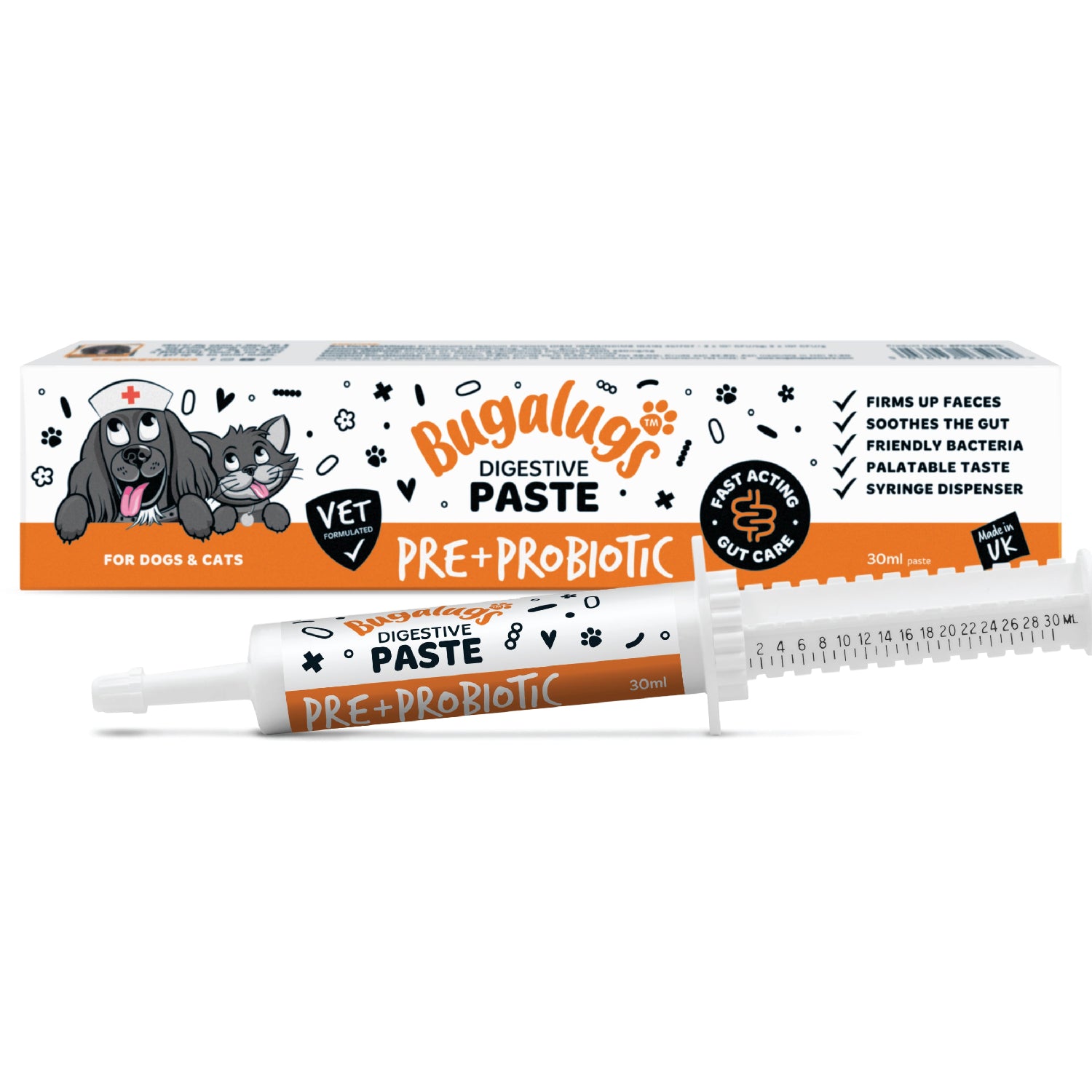
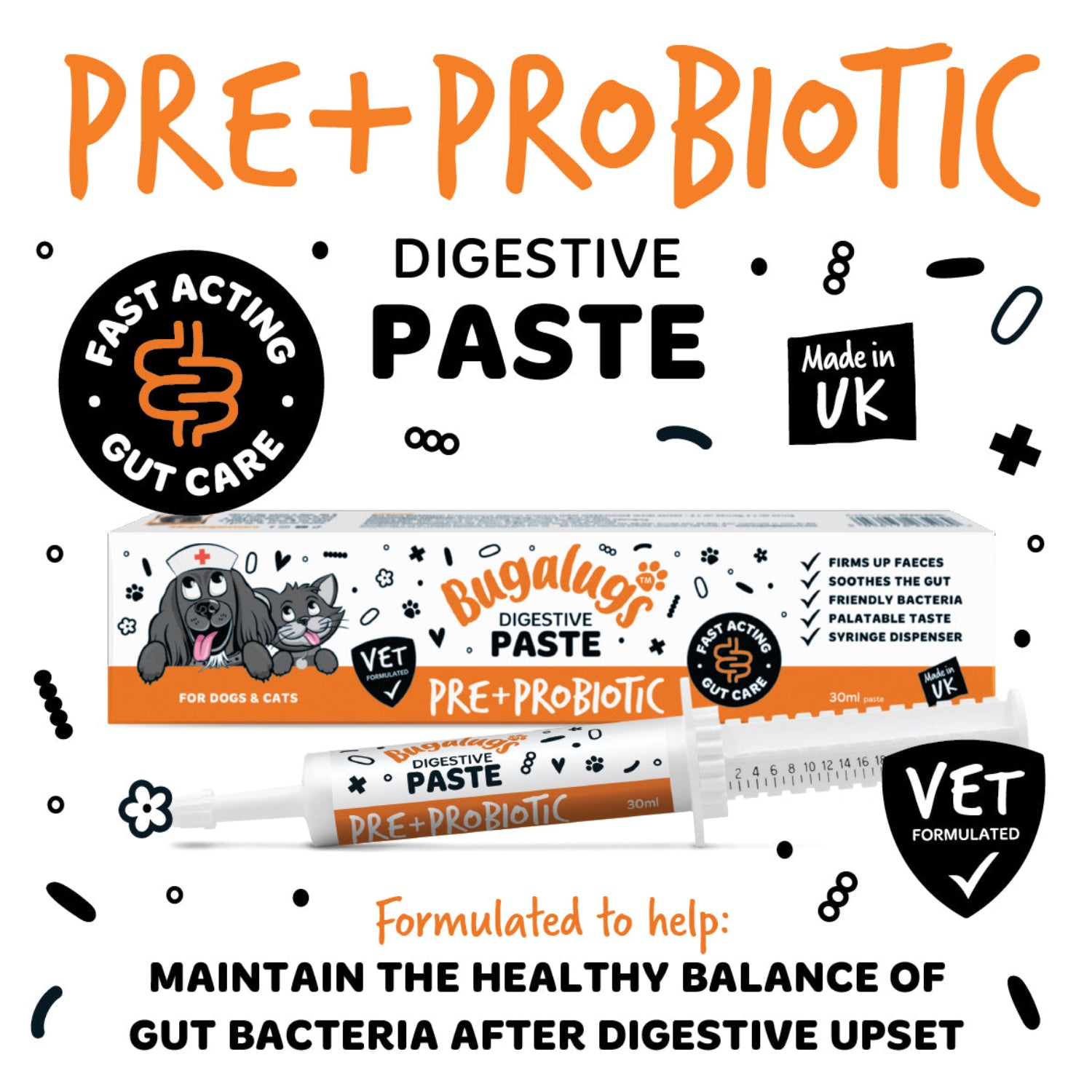
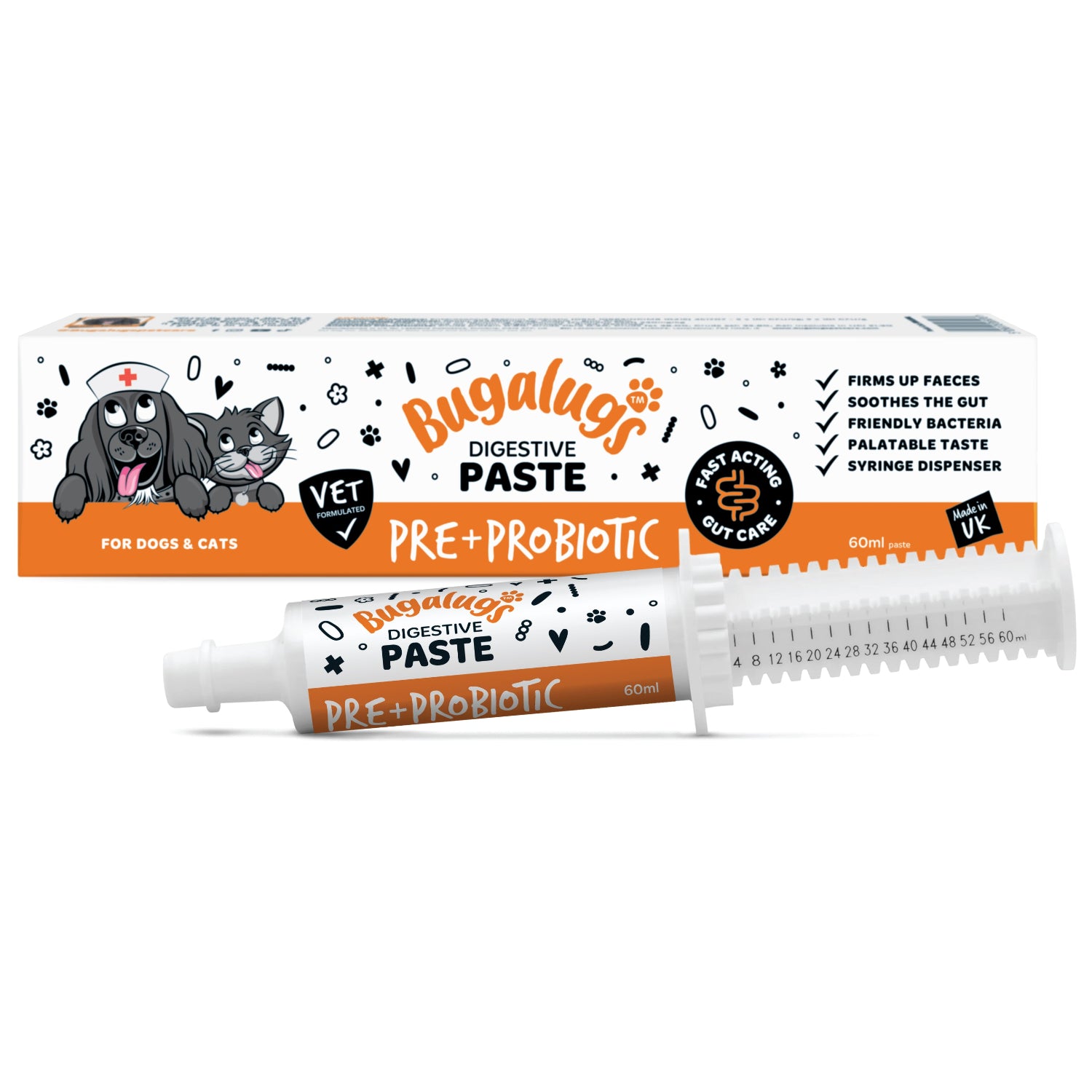
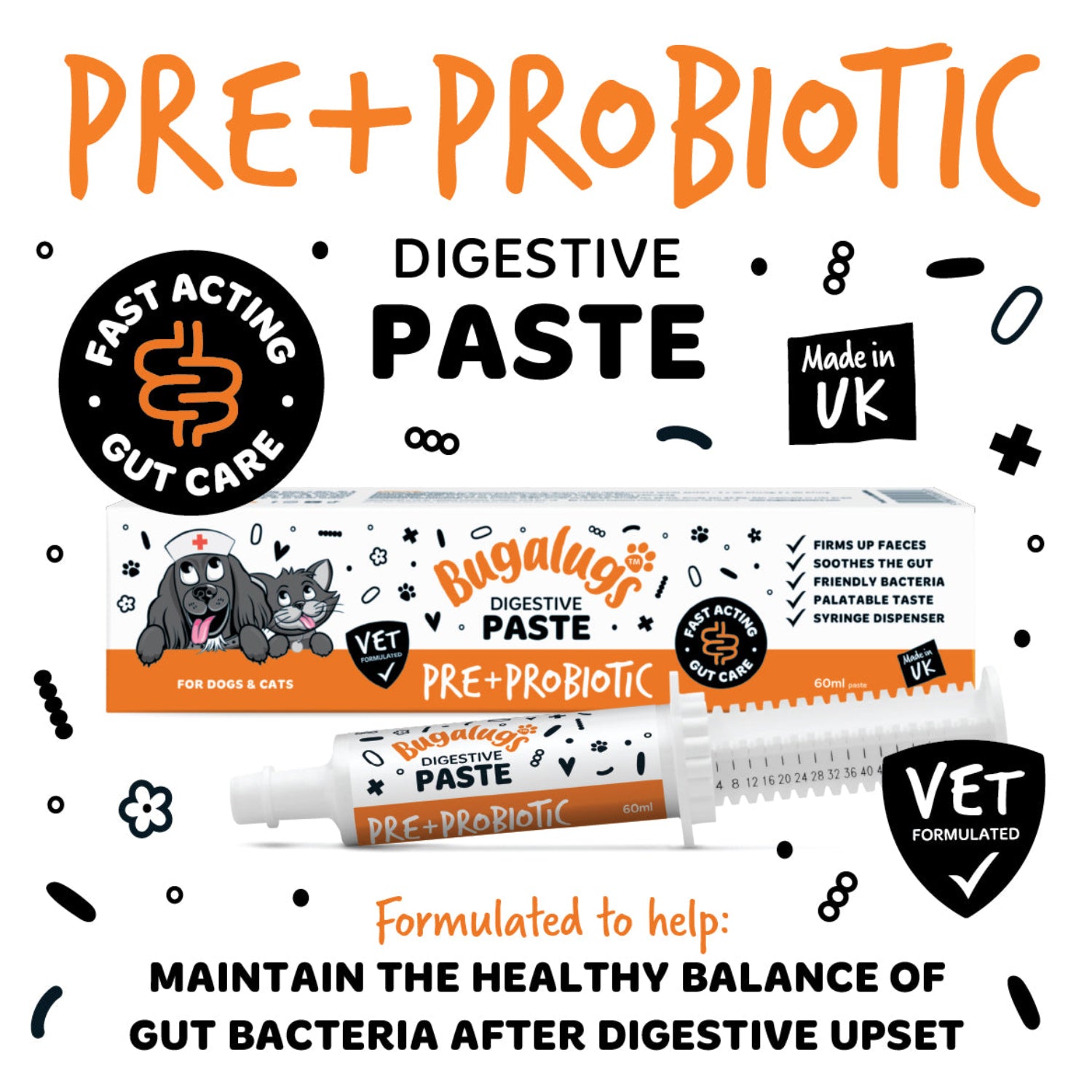
- For a sudden tummy upset: a fast-acting probiotic paste gives short-term support. Our Pre & Probiotic Digestive Paste is a beef-flavoured paste in an easy syringe, for dogs and cats. It's handy to keep in the cupboard for times of stress, a change of food or after antibiotics.
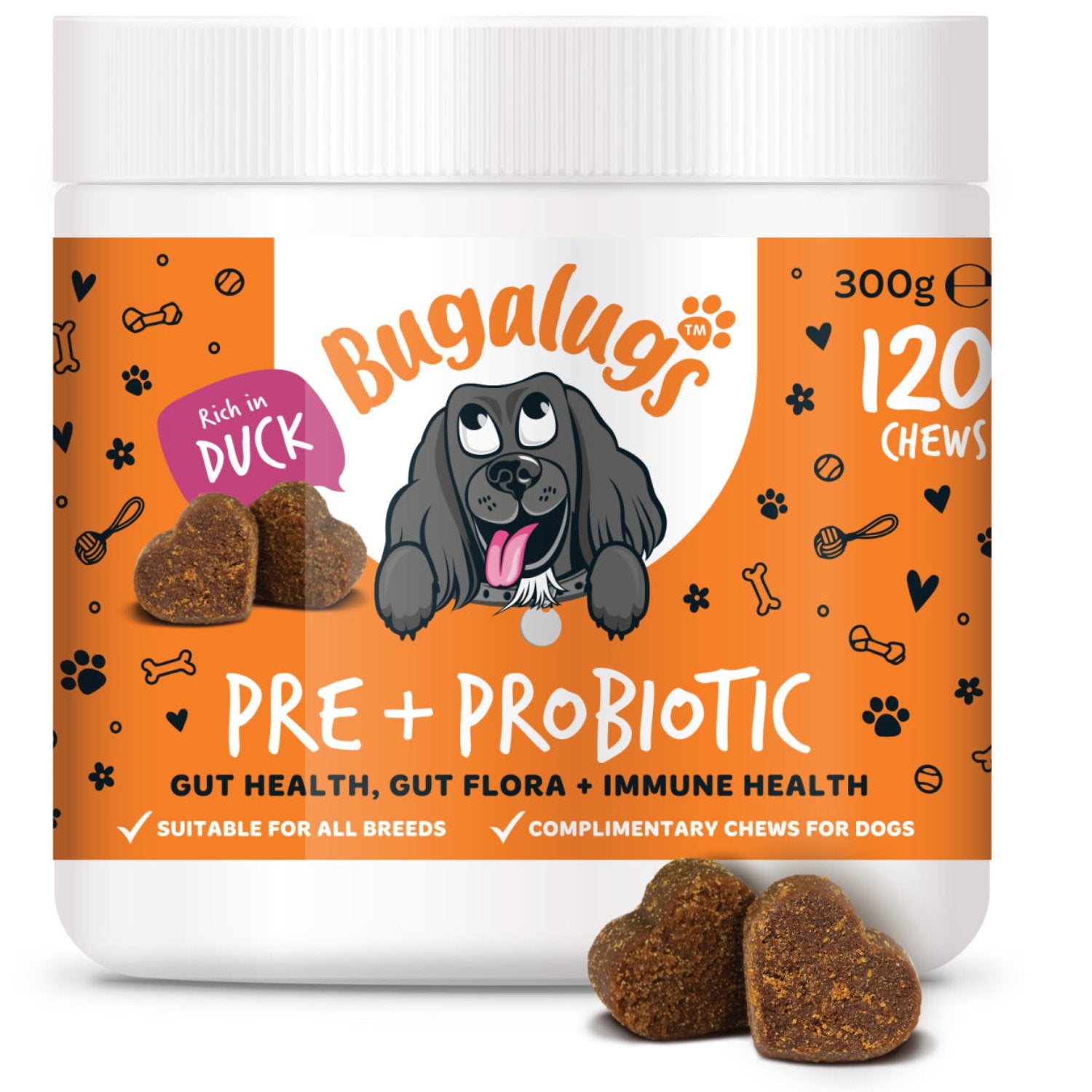
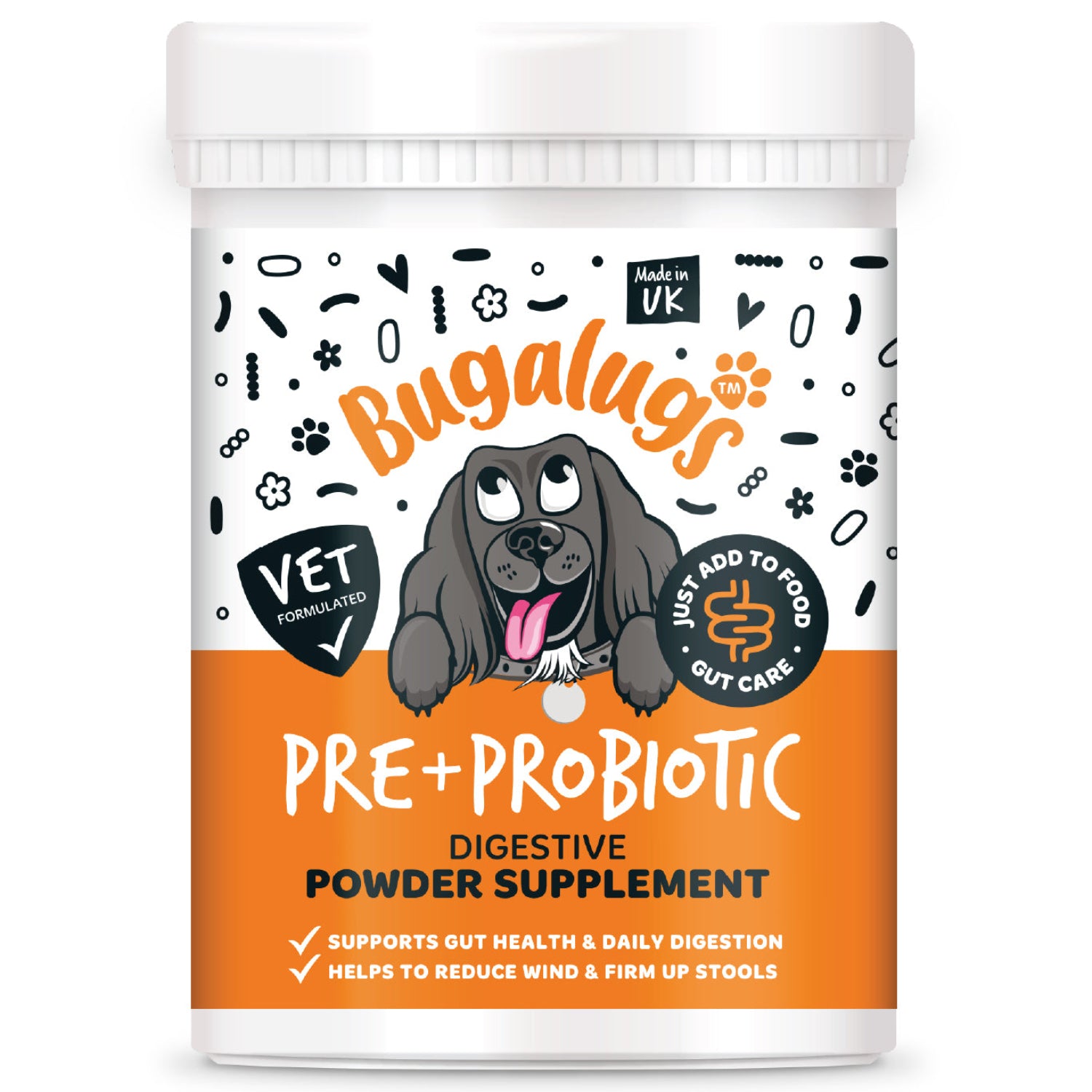
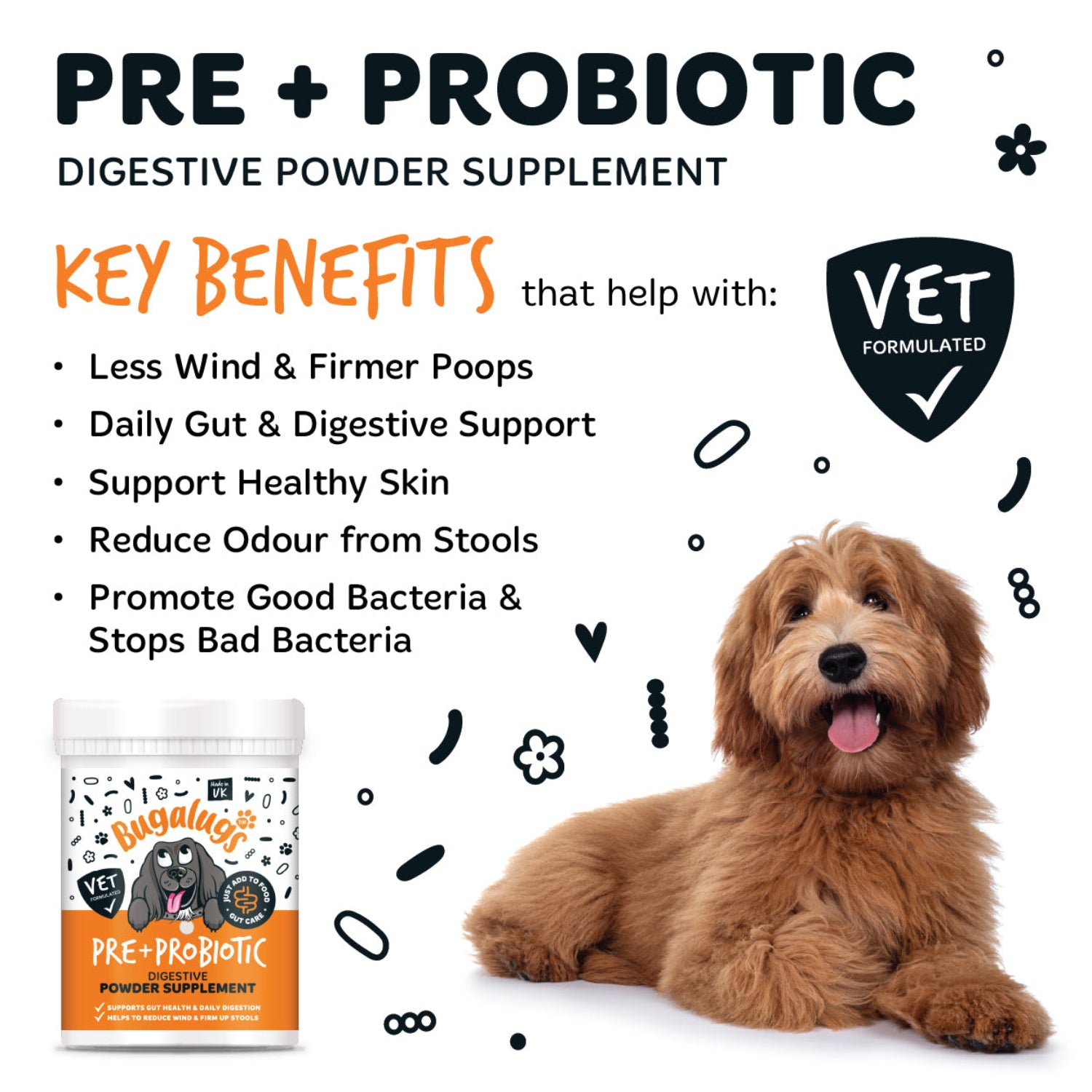
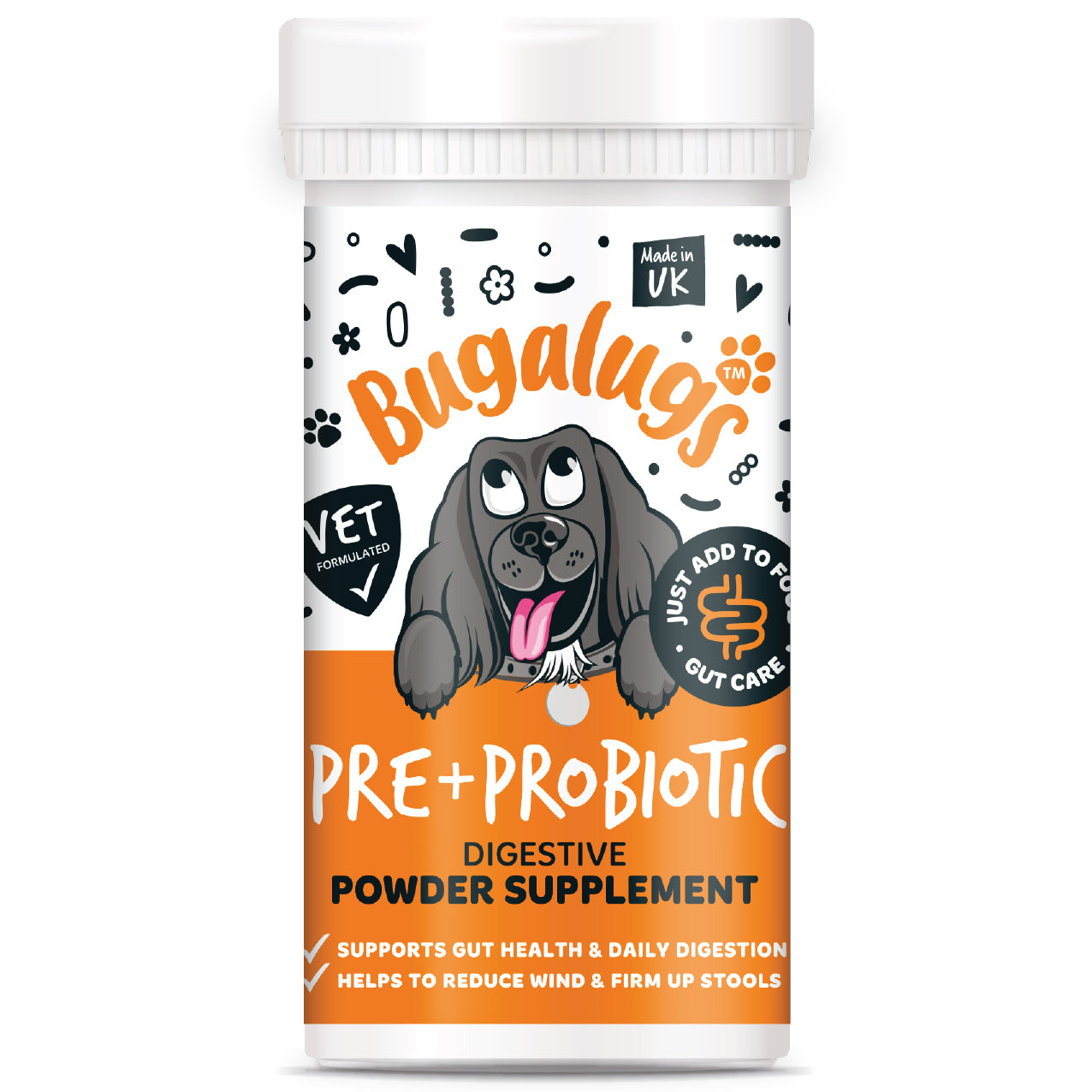
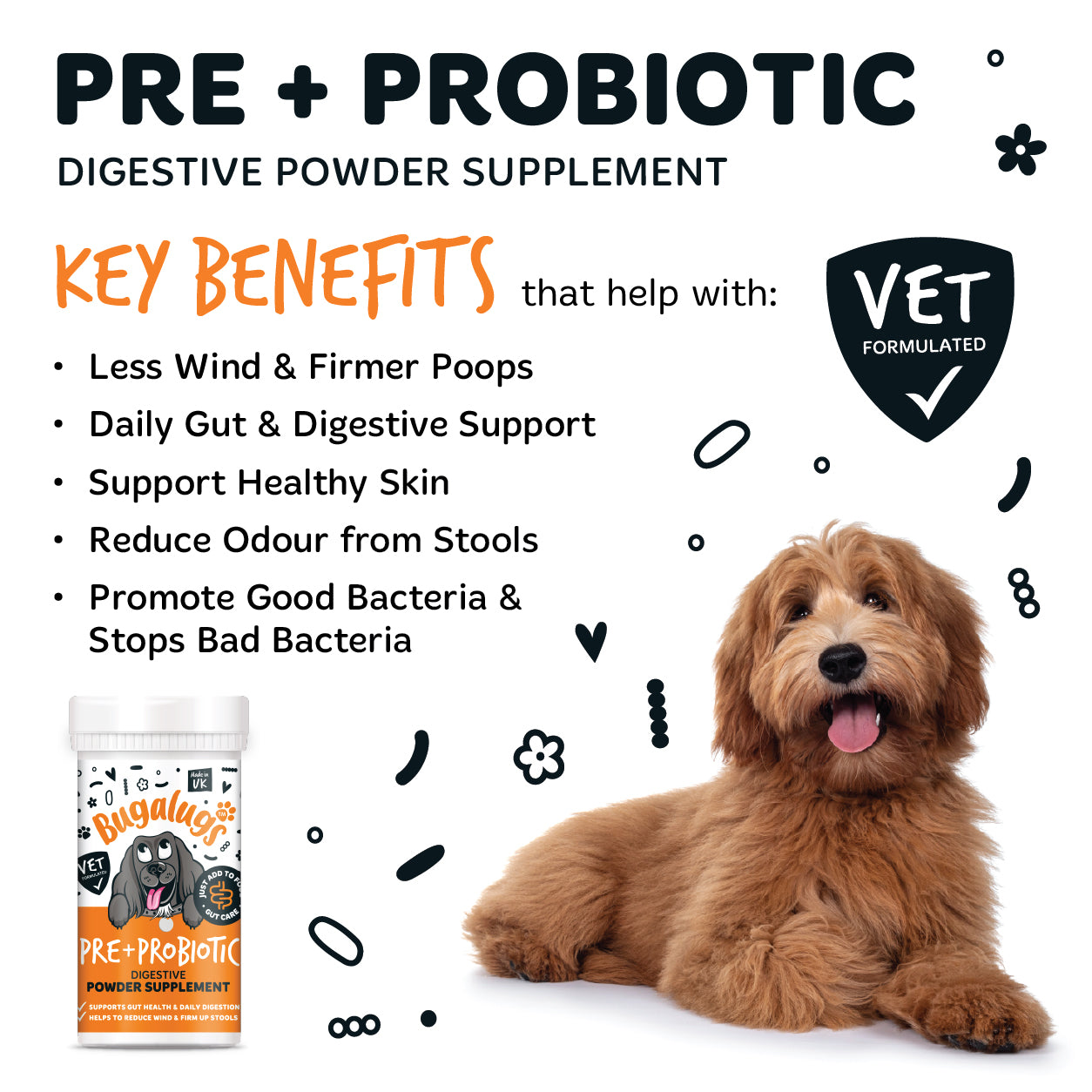
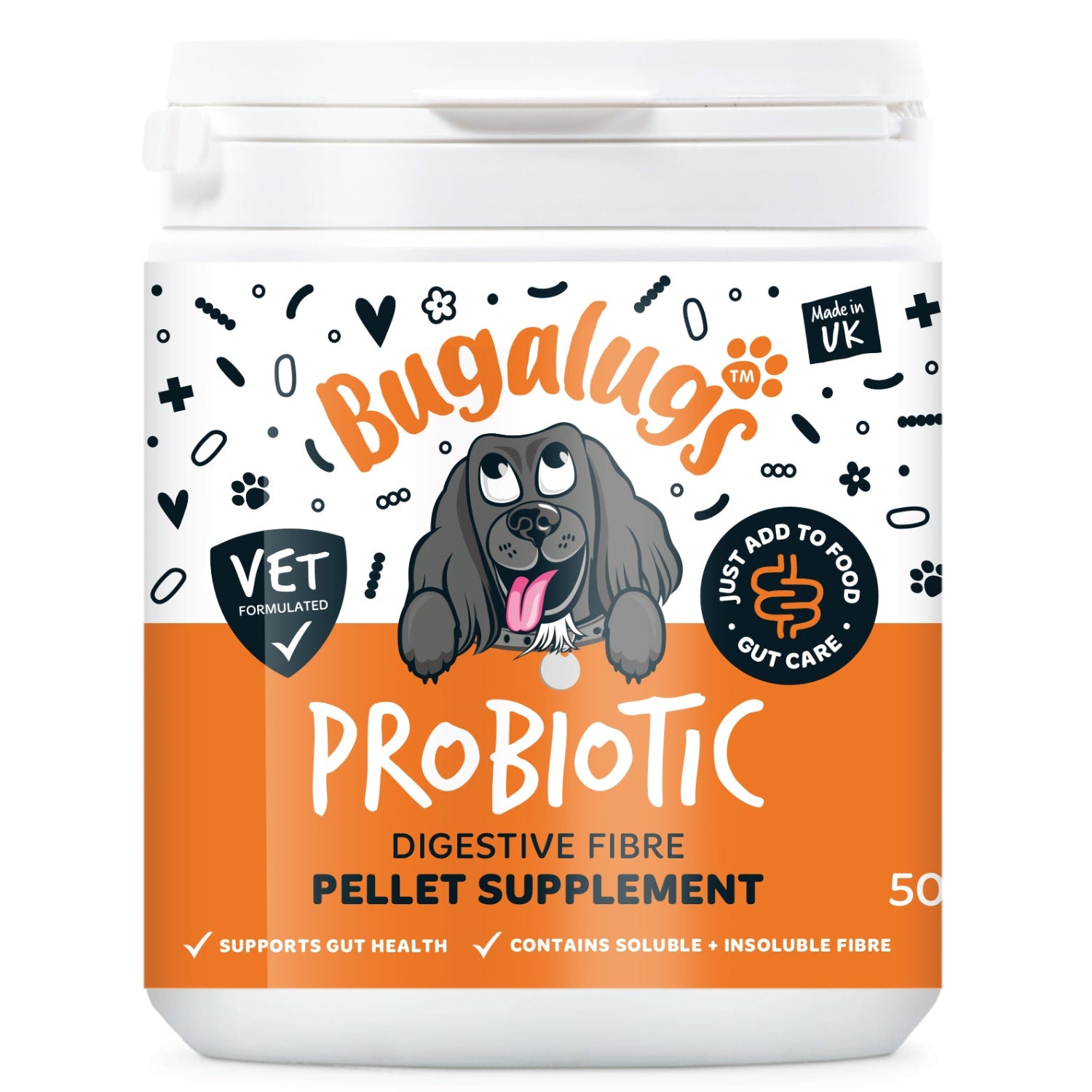
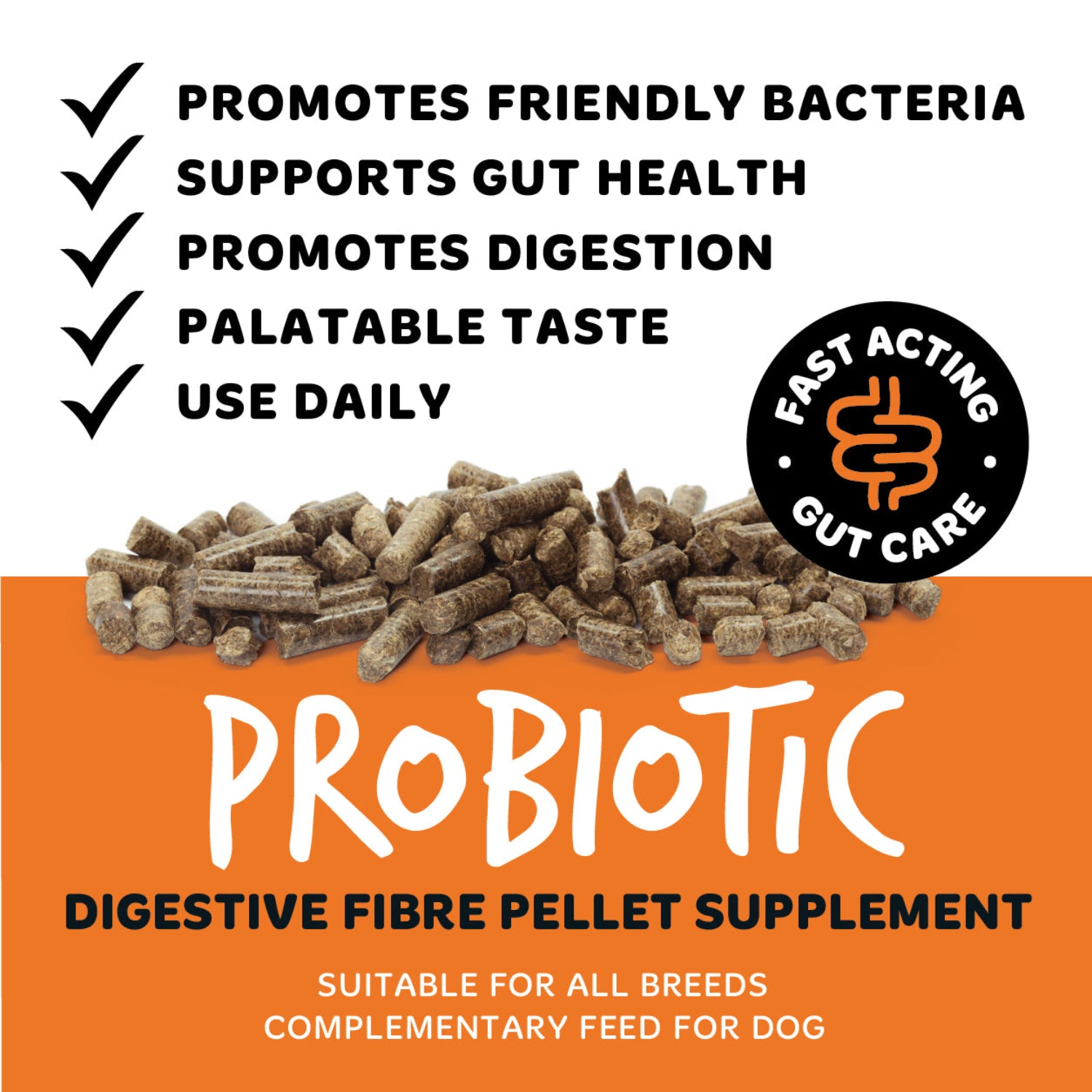
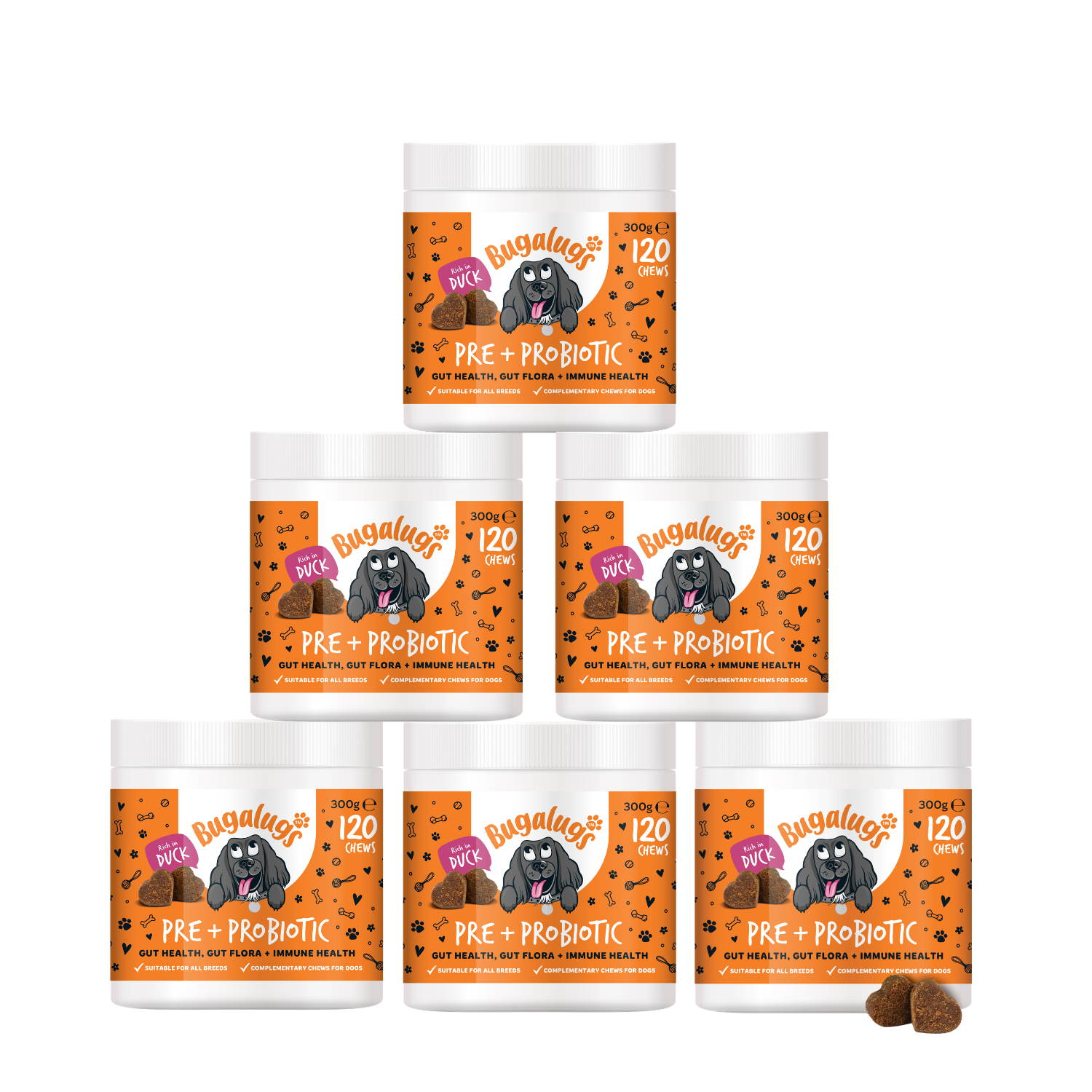
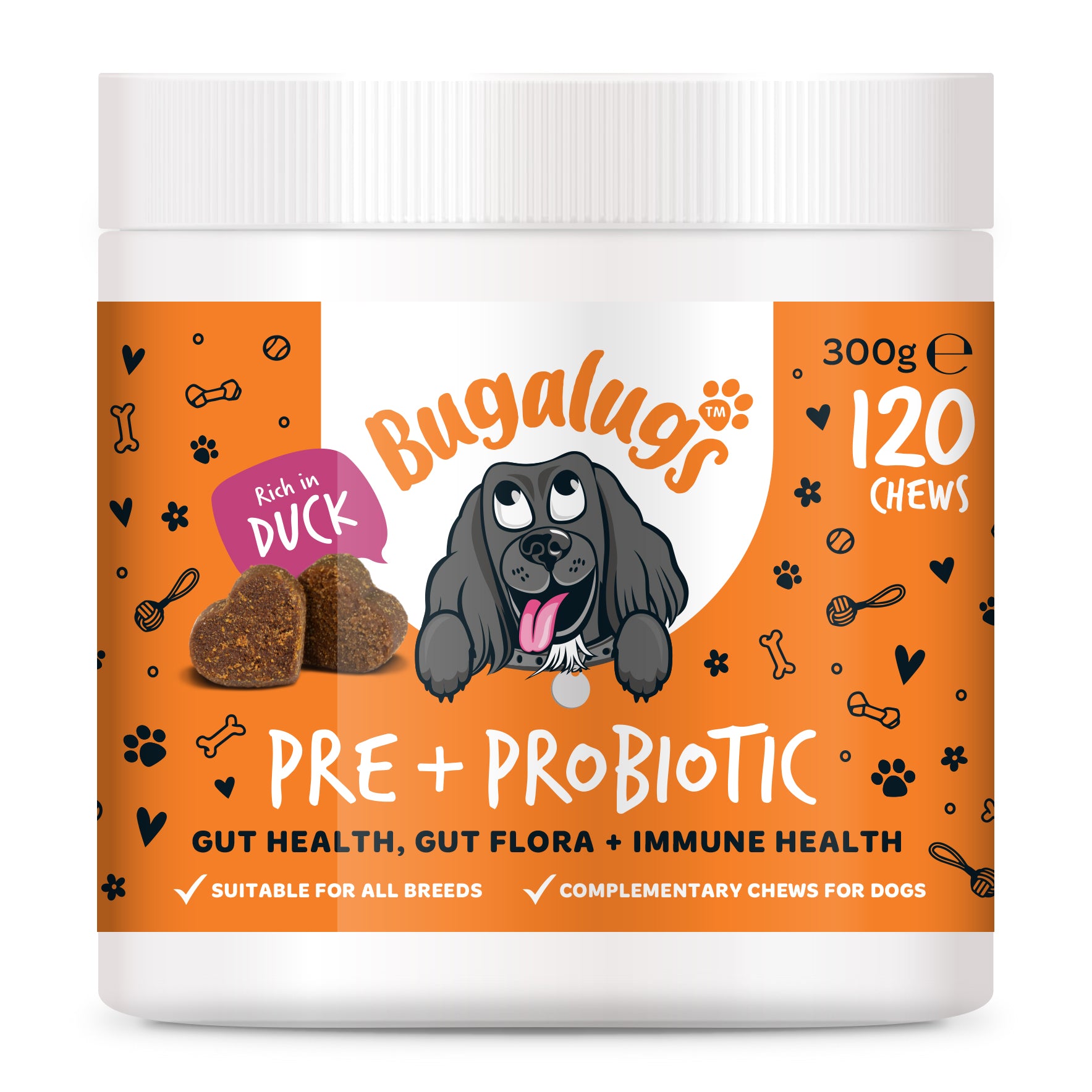
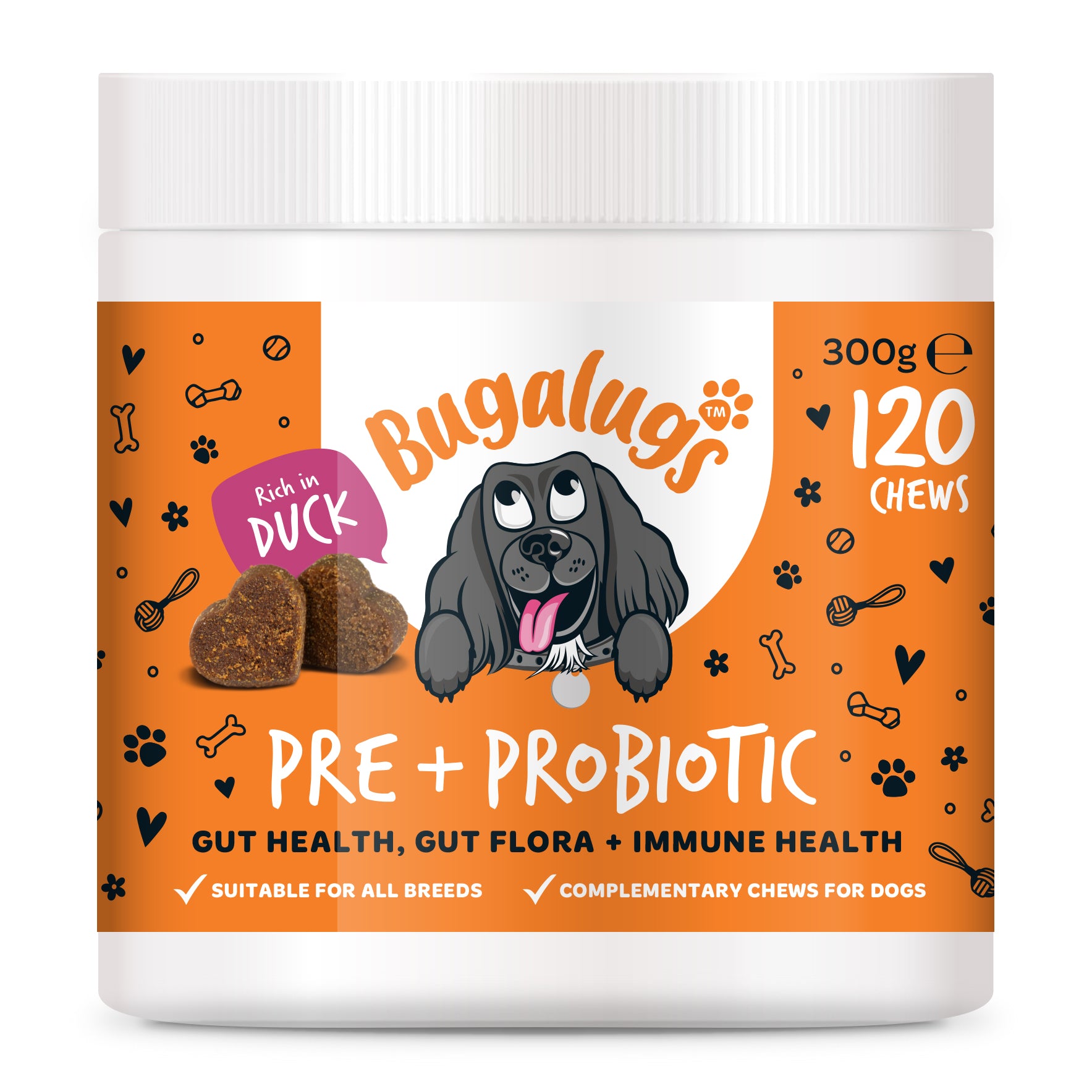
- For everyday gut health: a daily chew or powder works over time. Give our Pre & Probiotic Chews or Pre & Probiotic Powder every day for at least 4–6 weeks to see how your dog gets on.
How to support your dog's gut health every day
- Keep their diet consistent, and change foods gradually.
- Limit scraps and rich treats.
- Add fibre with a little plain pumpkin. Our Pumpkin Powder and Pumpkin Chews make it easy.
- Give a daily probiotic. Our Pre & Probiotic Chews combine probiotics, a postbiotic and prebiotic fibre with pumpkin and psyllium husk in a tasty, duck-rich chew. If your dog won't take chews, try our Pre & Probiotic Powder.
- Keep up with worming and vet checks.