Bonfire Night is on 5 November, but fireworks often go off for days either side, and again around Diwali and New Year's Eve. Most dogs find the bangs and flashes frightening, and a little preparation makes a real difference to how they cope.
Why are dogs scared of fireworks?
Fireworks are loud, sudden and unpredictable, and dogs hear them far more sharply than we do. A dog can't tell where the noise is coming from, what it is or when it will stop, so their instinct is to hide or escape. The flashes and the smell of smoke add to it.
Some dogs are more affected than others. Puppies who didn't get used to everyday noises when young, older dogs and dogs who are anxious in other situations often struggle most, and fear can build year on year if it isn't managed.
What are the signs a dog is scared of fireworks?
The most common signs are:
- Trembling, panting or pacing
- Hiding behind furniture or trying to get under things
- Clinging to you, or barking and whining
- Drooling, tail tucked and ears pinned back
- Trying to escape through doors or over fences
- Toilet accidents indoors or refusing food
Some dogs go very still and quiet instead. That is fear too, even if it looks calm.
How do I prepare my dog before fireworks season?
Start a week or two before the busiest nights, not on the night itself. Most of what helps is set up in advance.
- Set up a safe space. A covered crate, a quiet room or a corner with their bed and a blanket. Set it up a few days early so it feels familiar, and leave the door open so they can come and go.
- Check their ID. Make sure their collar tag is readable and their microchip details are up to date. Frightened dogs can bolt through an open door or a gap in a fence.
- Find out when displays are planned. Local council websites and community groups usually list organised displays, so you know which nights to plan for.
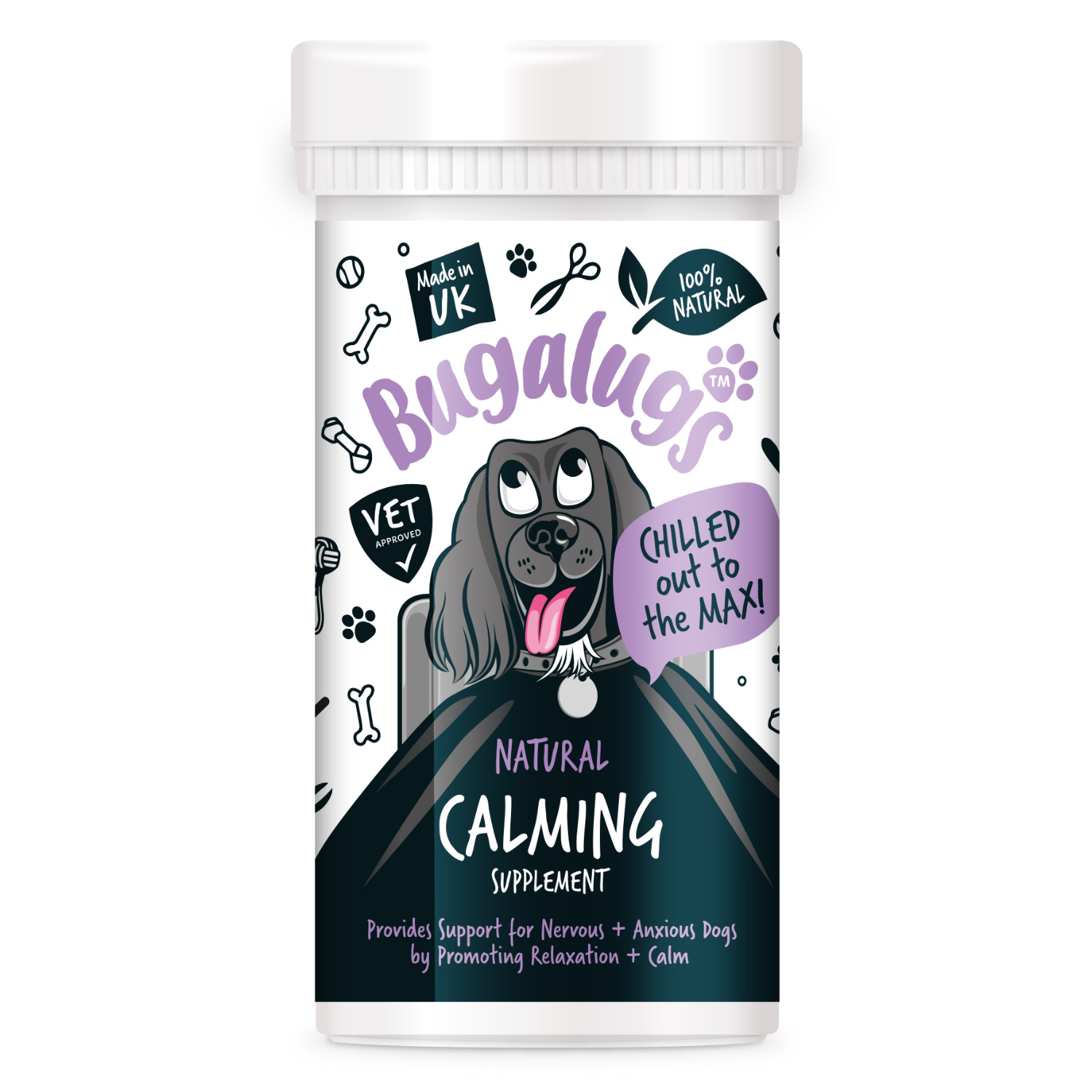
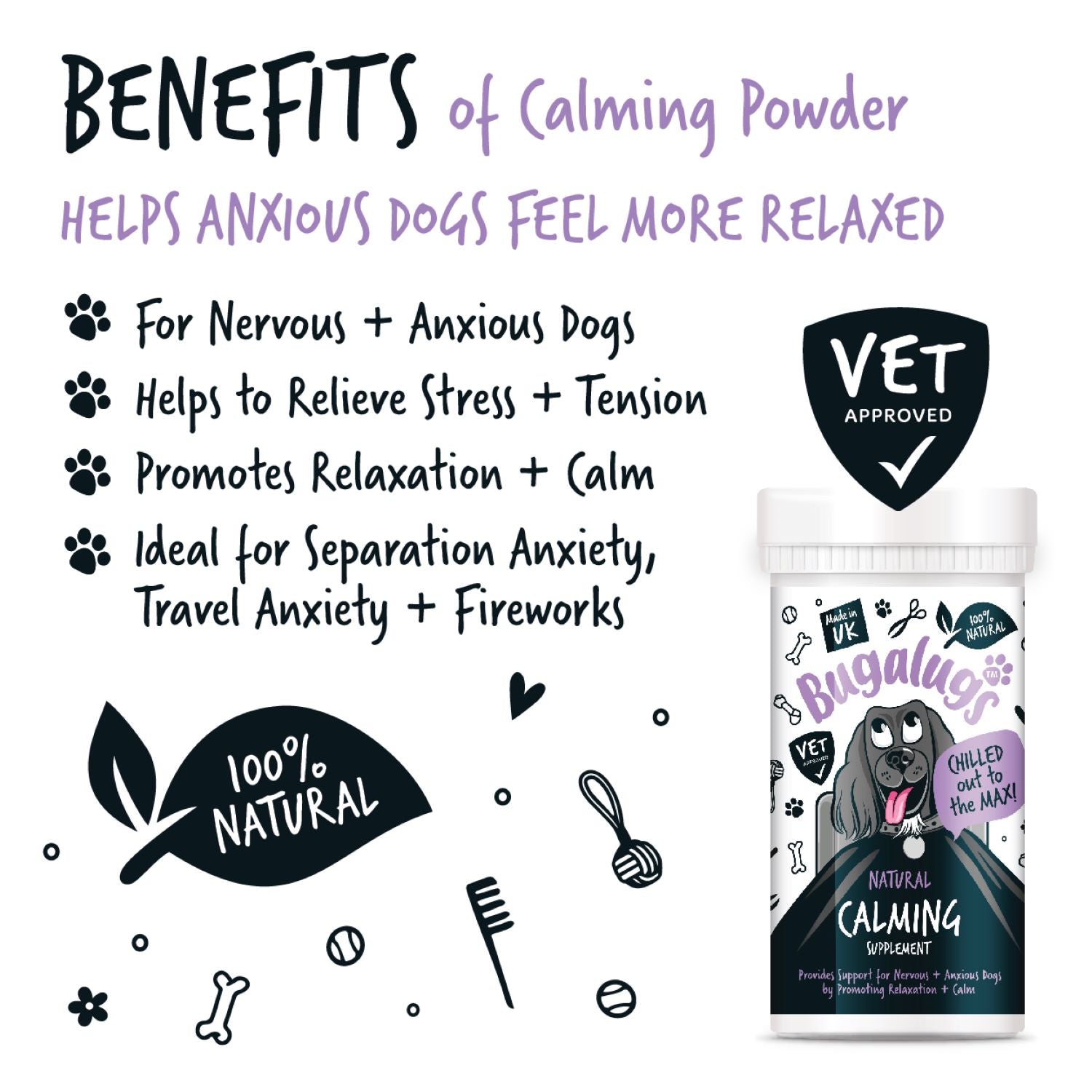
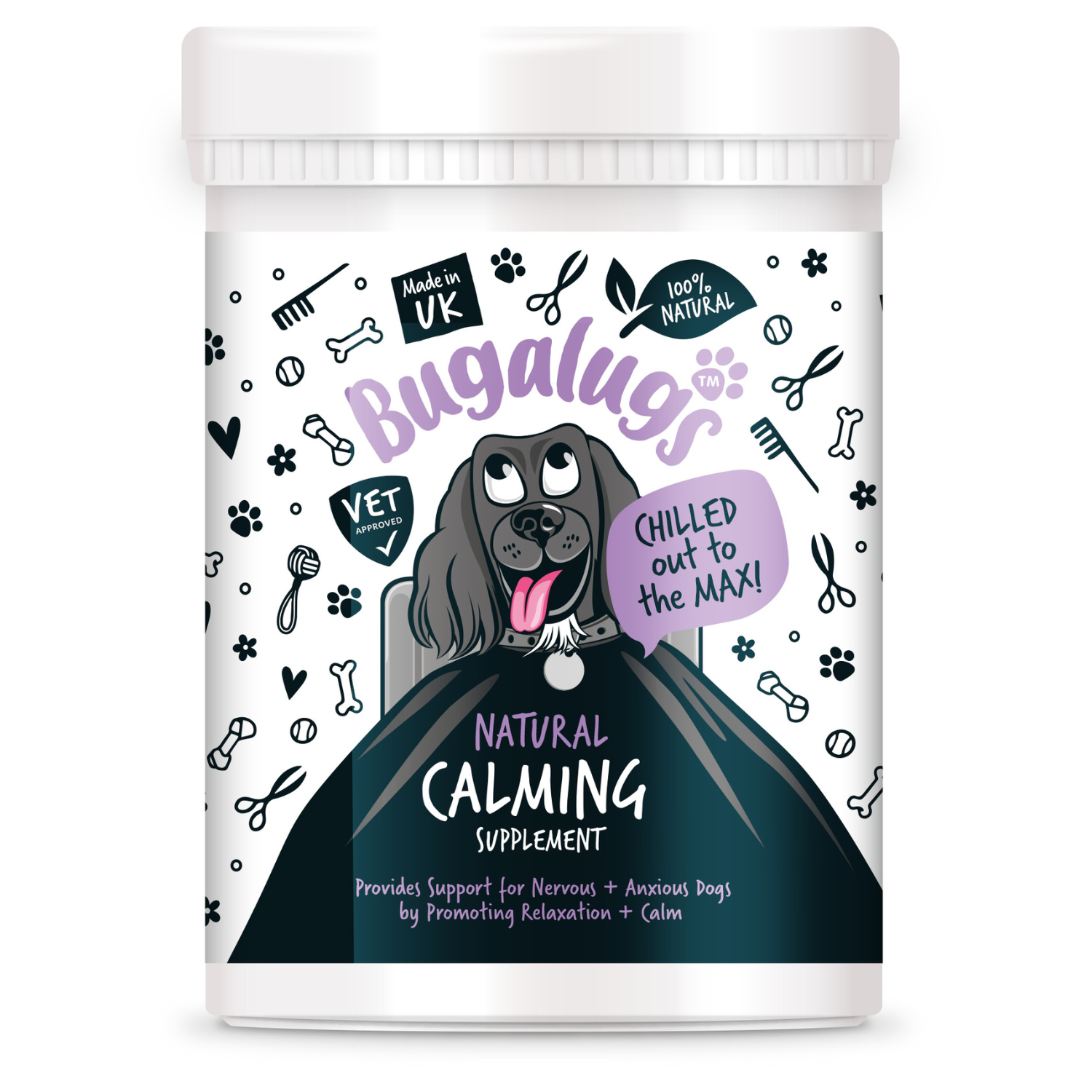
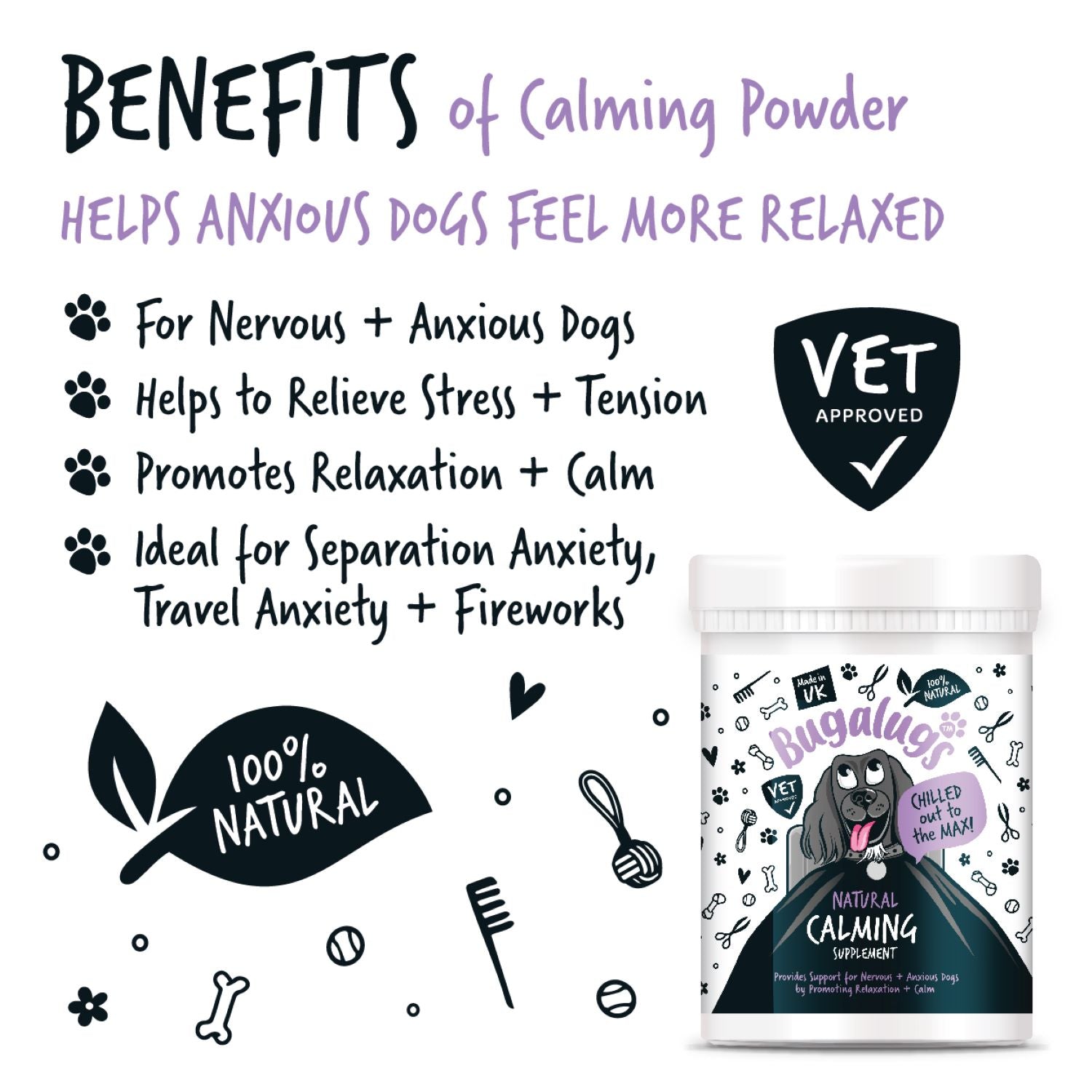
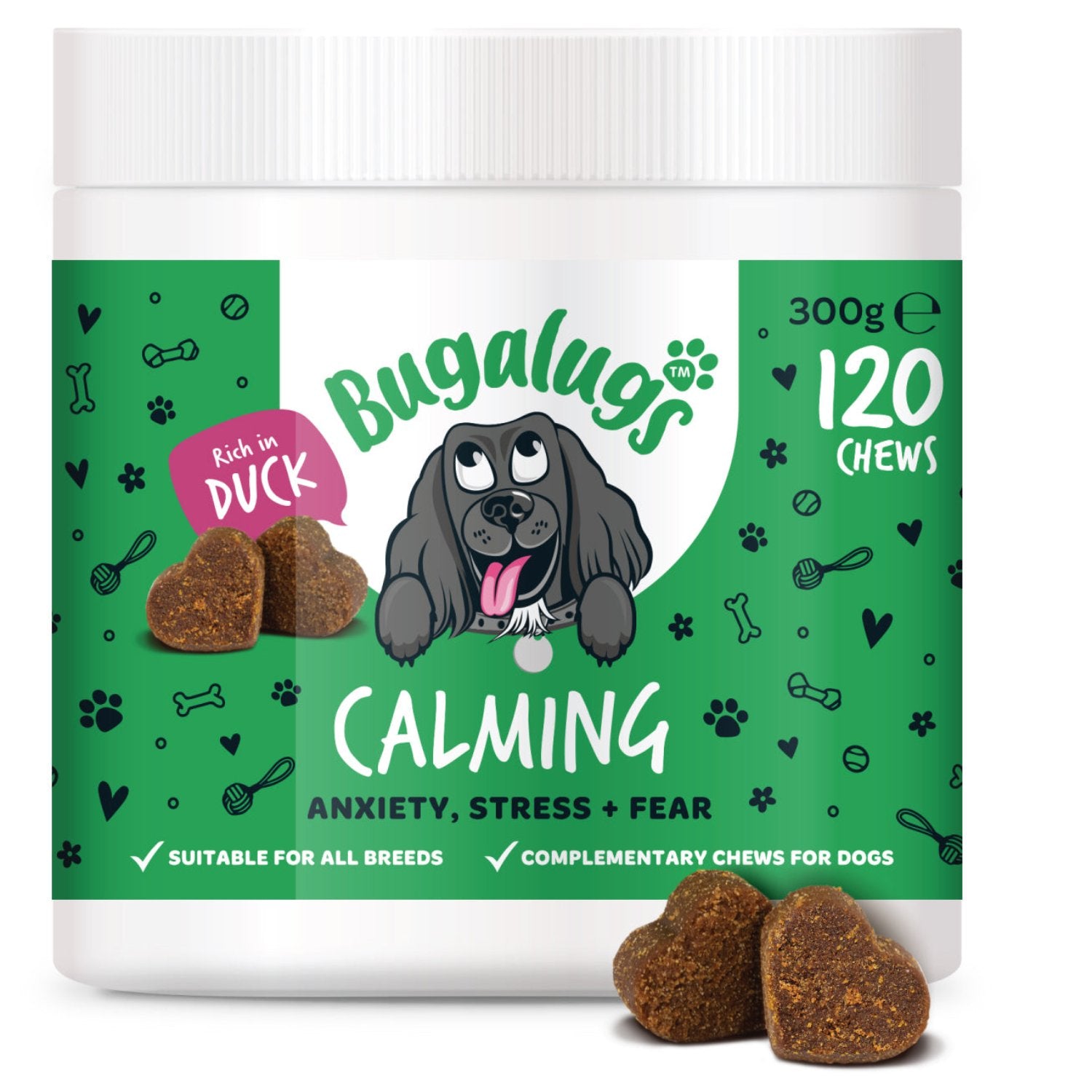
- Start calming support early. Daily supplements need time to become part of their routine. We recommend starting our calming chews 4–6 weeks before fireworks season, given every day, and following the feeding guide on the pack.
For longer-term help, sound desensitisation can make a big difference. Play recordings of fireworks very quietly while your dog eats or plays, and raise the volume gradually over several weeks. Stop and turn it down if they show any signs of worry. Charities such as Dogs Trust offer free sound recordings to use. This works best started months ahead, not the week before.
How do I keep my dog calm on the night?
Keep the evening as normal and low-key as you can, and make the noise and flashes less noticeable.
- Walk them before dusk. Get their walk and toilet break done in daylight, and keep them on the lead even if they're normally reliable off it.
- Feed them earlier. Some dogs won't eat once the bangs start, so give their evening meal before it gets dark.
- Close the curtains and windows. Then put the TV, radio or music on at a normal volume to soften the bangs.
- Let them hide. If they go to their safe space or under a table, leave them there. Don't coax them out.
- Stay home and stay close. Try not to leave them alone on the busiest nights. Carry on as normal so they pick up on your calm.
- Keep doors and gates shut. Take extra care when answering the door, and check the garden is secure before letting them out.
- Give them something to chew or lick. A long-lasting chew or a lick mat gives them something calming to focus on.
Should I comfort my dog during fireworks?
Yes. Comforting a frightened dog won't make their fear worse. If they come to you, talk quietly and stroke them if they want it. What helps most is that you stay calm yourself. Never tell them off for barking, hiding or having an accident, as that adds to their stress.
What should I avoid?
- Taking your dog to a fireworks display, even if they seem fine with noise
- Walking them after dark on nights when fireworks are likely
- Leaving them alone during the busiest hours, if you can avoid it
- Pulling them out of a hiding place or forcing them to face the noise
- Punishing fearful behaviour
What about cats?
Cats are often just as frightened. Bring them in before dark, close the cat flap and give them a litter tray indoors. Cats like to hide up high, so make sure they can get onto a shelf or the top of a wardrobe, and let them come out in their own time.
After the fireworks
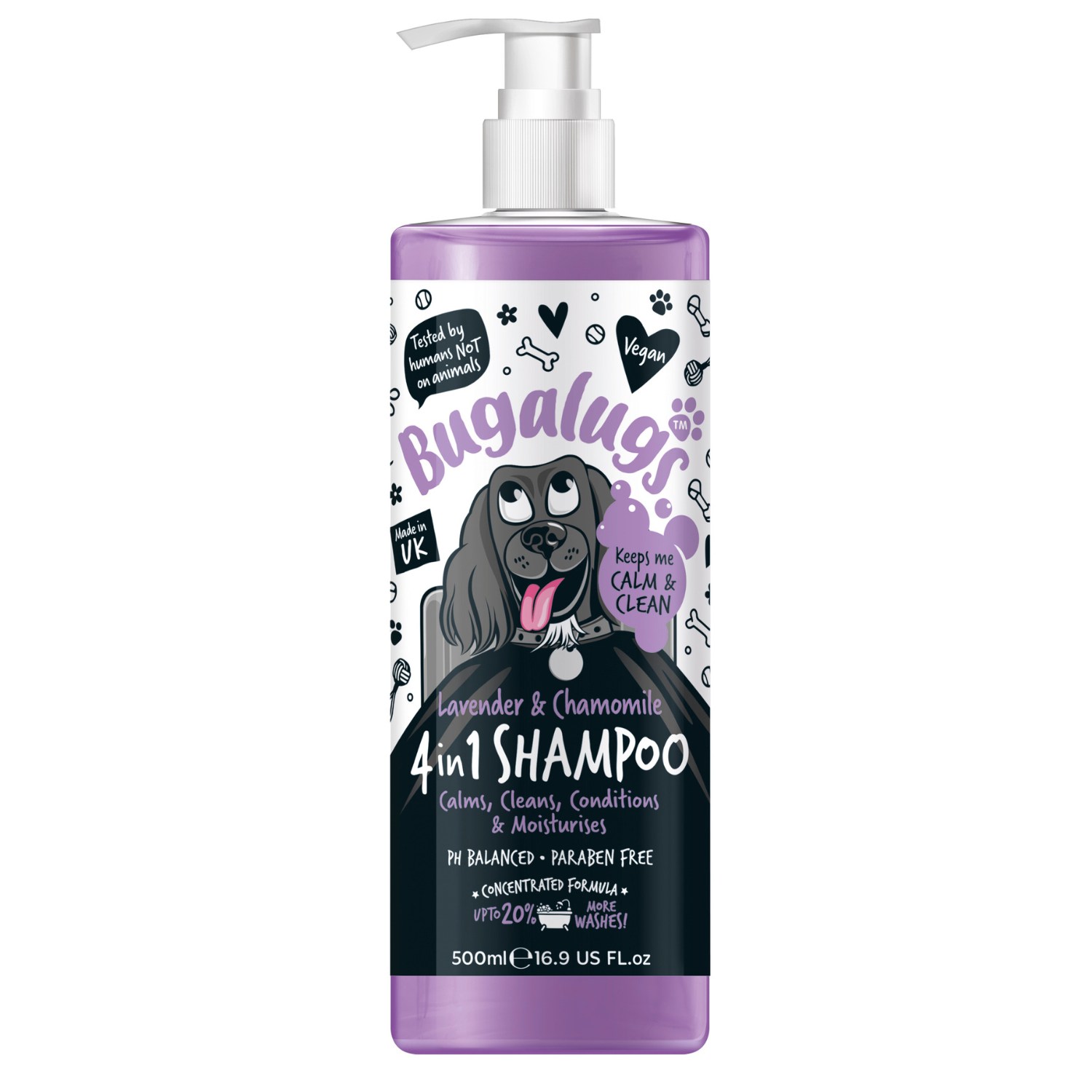
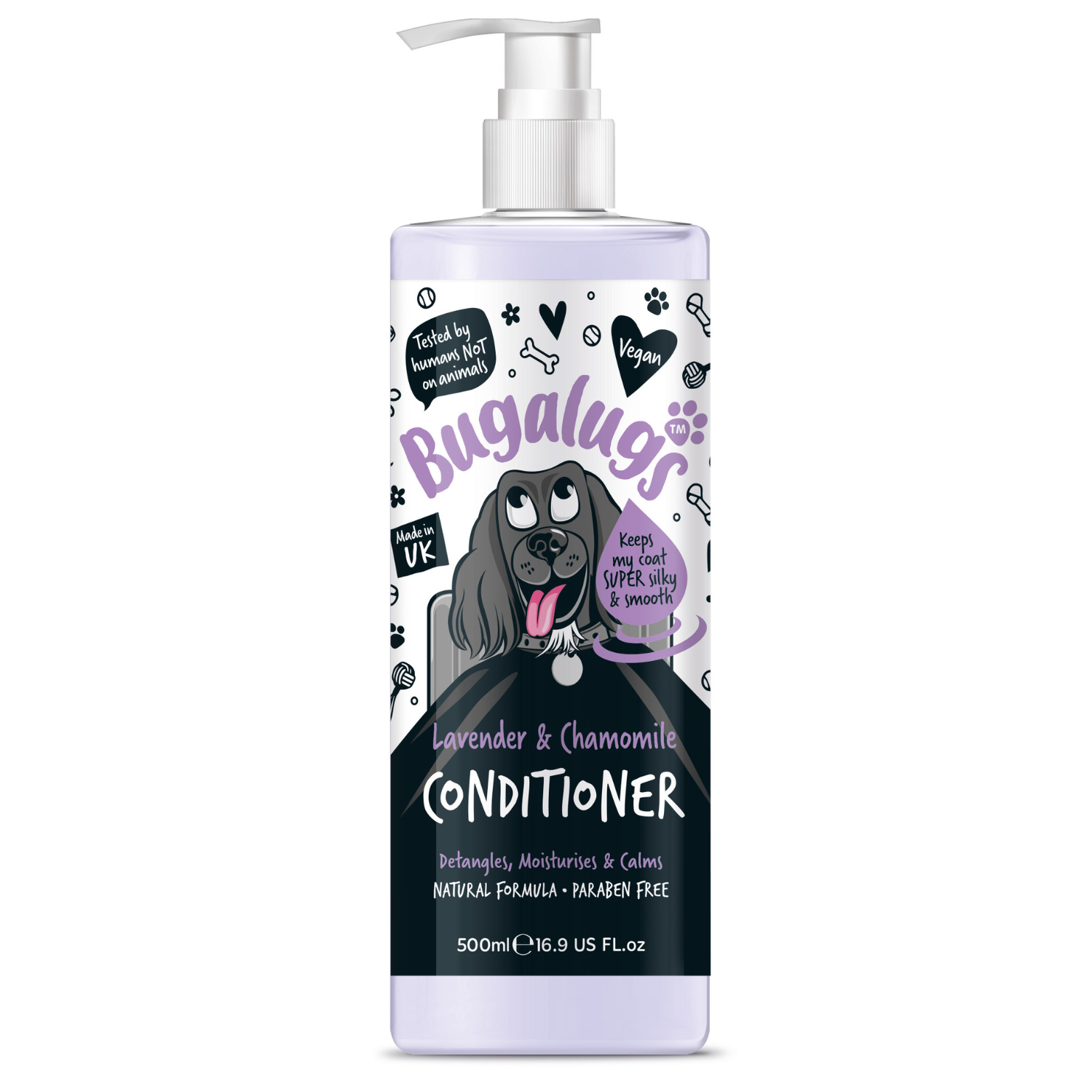
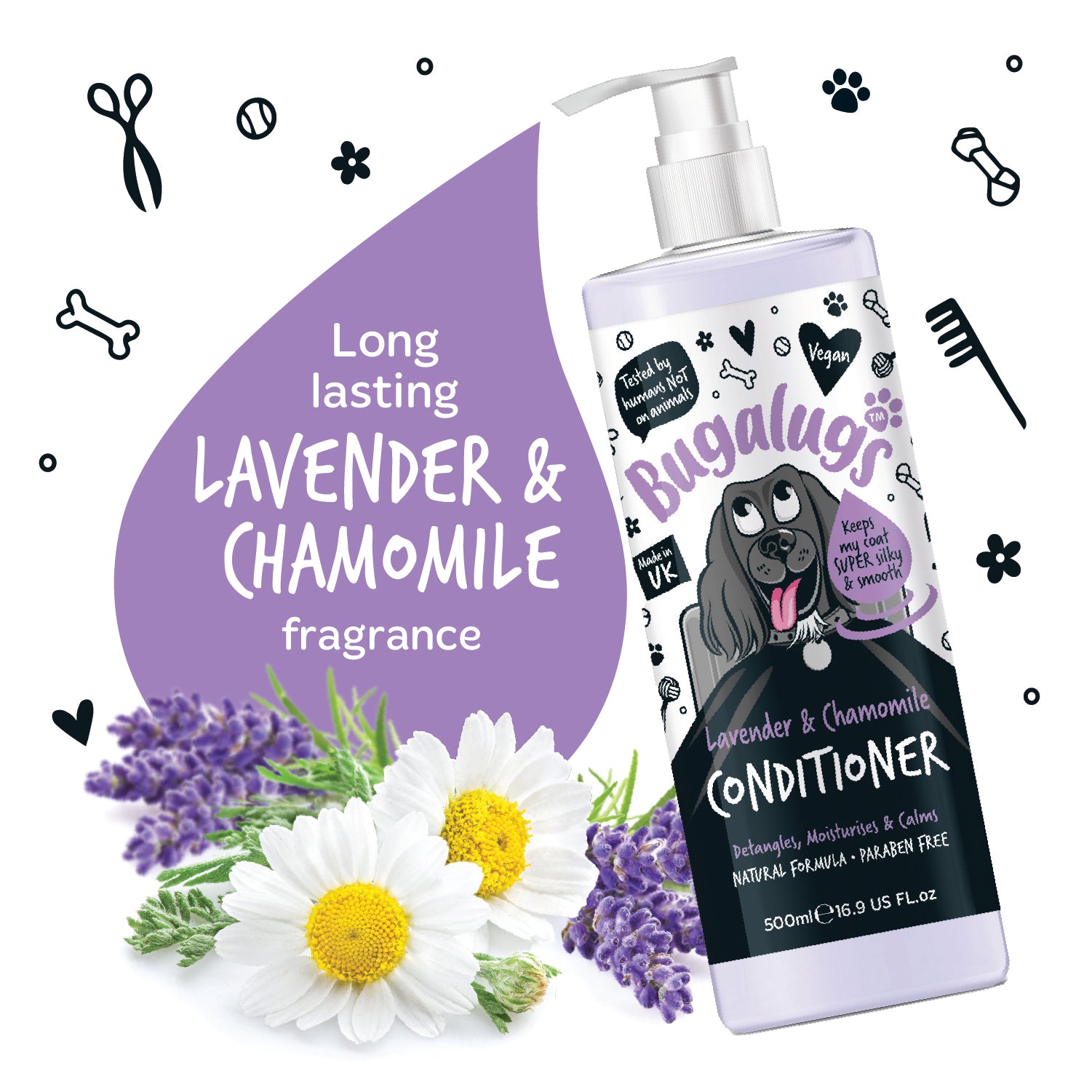
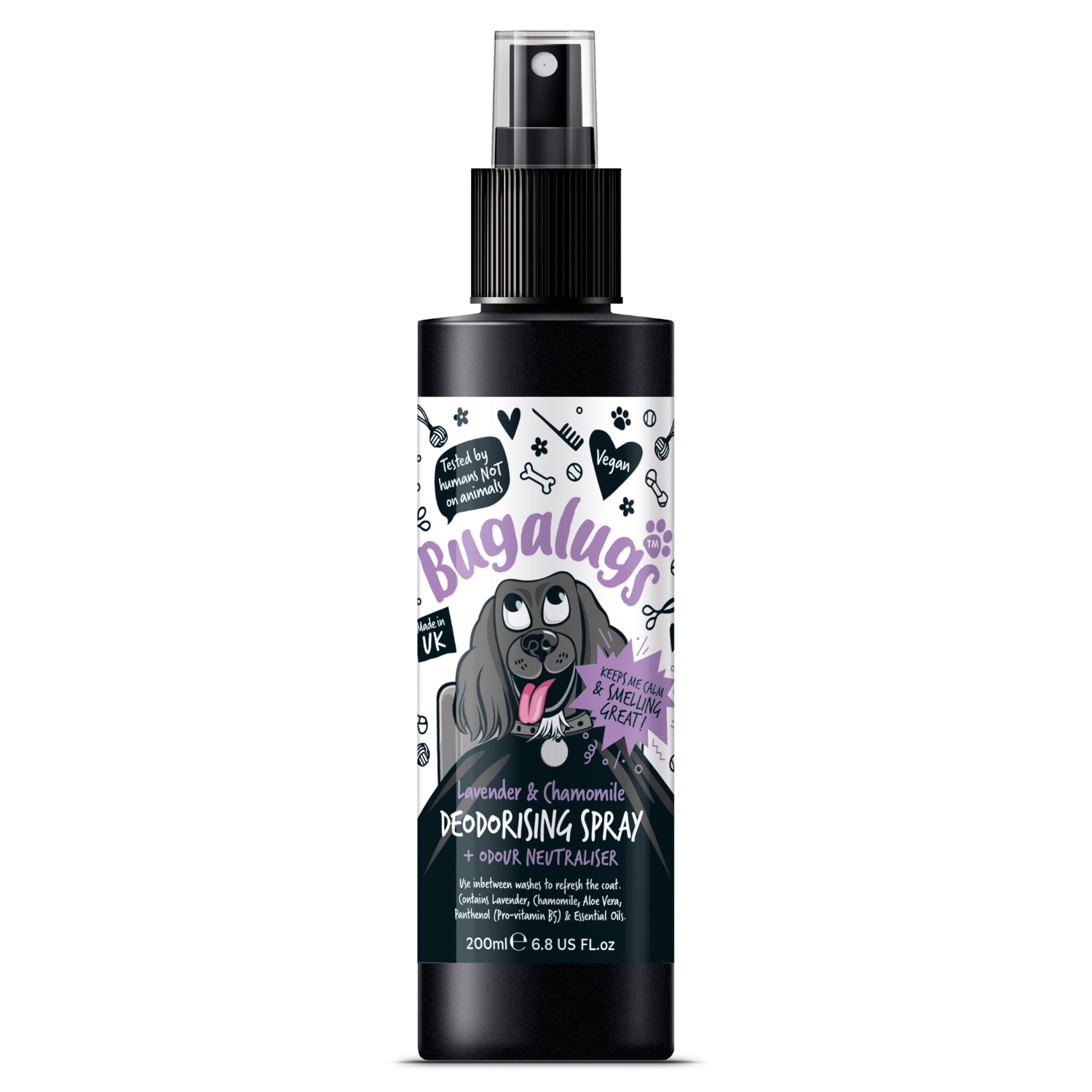
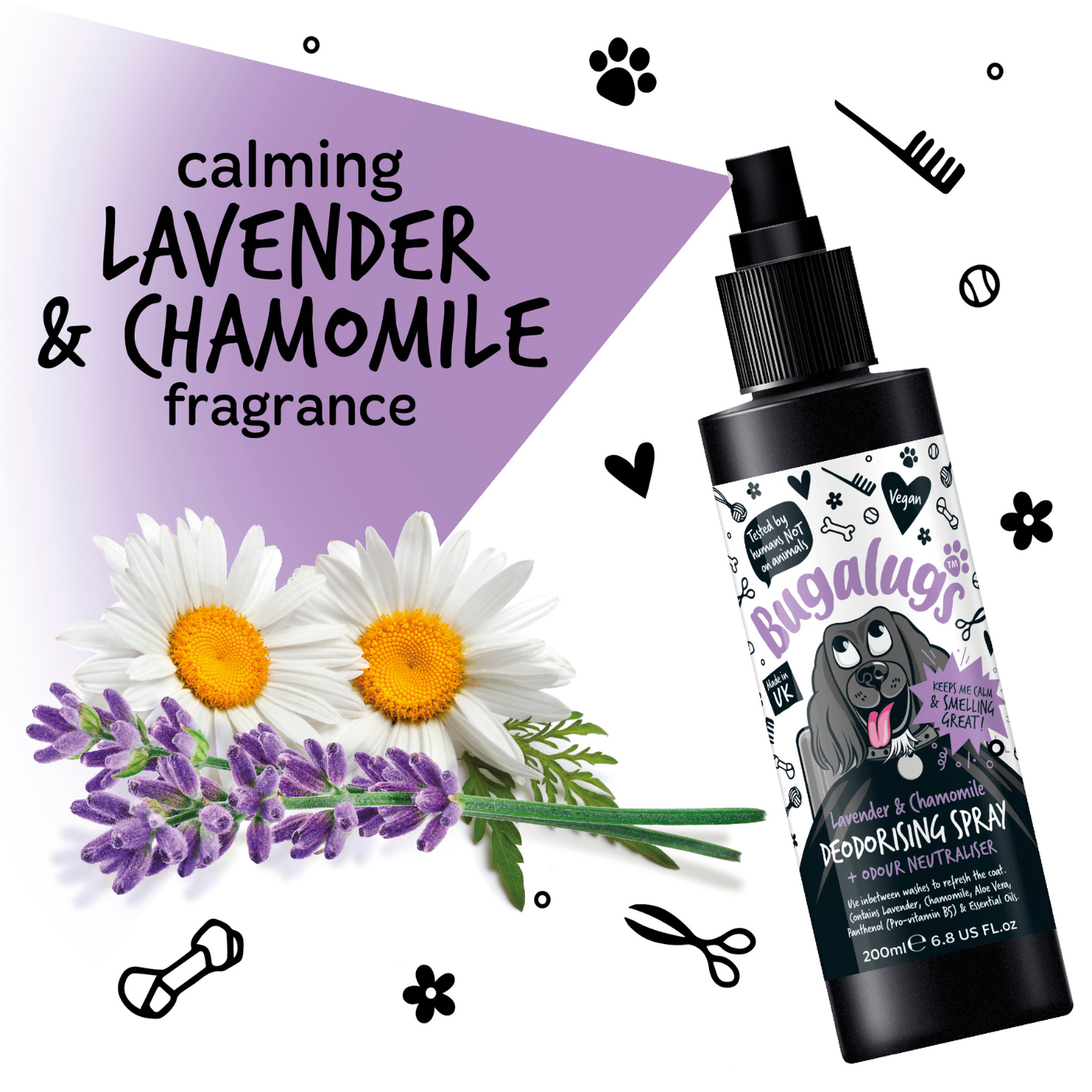
The next morning, check your garden for spent fireworks and debris before letting your dog out, as they can be harmful if chewed. Keep the day calm and routine. Some owners find a gentle groom helps them wind down, and our Lavender & Chamomile range makes bath time a calm, familiar routine.
Browse the full calming range.
Fireworks checklist
- Safe space set up a few days early
- ID tag and microchip details checked
- Calming support started in good time
- Walk and toilet break before dusk, lead on
- Curtains closed, TV or music on
- Doors, gates and cat flap secure
- Stay home and stay close